



Featuring
.jpeg)
Ask a parent what childcare costs them, and you'll usually get a number, followed by a pause, followed by a joke that isn't really a joke: “Daycare tuition is basically the same number as my mortgage/rent payment.” In Boulder County, Colorado, that number averages more than $23,000 per child per year — more than a year of in-state university tuition. In Dallas County, Texas, it's closer to $11,000 a year, and nearly 19,000 parents who want to work can't because they can't find affordable, accessible care.
Zoom out and the picture doesn't get better. According to UNICEF's Innocenti Research Office, the United States ranks 40th out of 41 high-income countries on childcare policy overall — 38th on affordability and 35th on access. The federal government isn't focused on closing that gap, and state budgets are stretched thin. But a handful of counties have decided they're not waiting around; they're building a real, replicable model to address this childcare crisis head-on.
"Affordable child care directly supports labor force participation, family financial stability, and U.S. economic competitiveness."
Why counties are the right level to act
Counties sit closer to this problem than almost anyone else in government. They see the waitlists. They see childcare workers — overwhelmingly women, and women of color — leaving the field because the pay doesn't come close to the cost of living, despite doing work that makes every other part of the local economy possible. And counties feel the downstream effects directly: parents who can't return to work, providers who can't retain staff, kids who lose continuity of care.
Virtually all the research keeps coming back to the same conclusion: childcare isn't a personal budget line item; it's economic infrastructure. It's roads, bridges, and childcare. Affordable child care directly supports labor force participation, family financial stability, and U.S. economic competitiveness. Whether or not you have kids, it's what lets everyone else's parents go to work. Counties are starting to treat it that way.
The model that's already working
King County, Washington, has built the template for one of the first-in-the-nation childcare wage boost pilots. Best Starts for Kids, the county's early-childhood investment fund, includes a $30 million, voter-approved Child Care Worker Wage Boost Pilot that is putting up to an additional $8,320 per year directly into childcare workers' pockets, on top of their regular pay, through 2027. AidKit is proud to partner with King County as the technology infrastructure for The Best Starts for Kids Child Care Worker Wage Boost Pilot, building a recipient-first, mobile-friendly, multilingual enrollment platform and payment system, including a weighted randomization process designed to ensure equitable childcare facility selection.
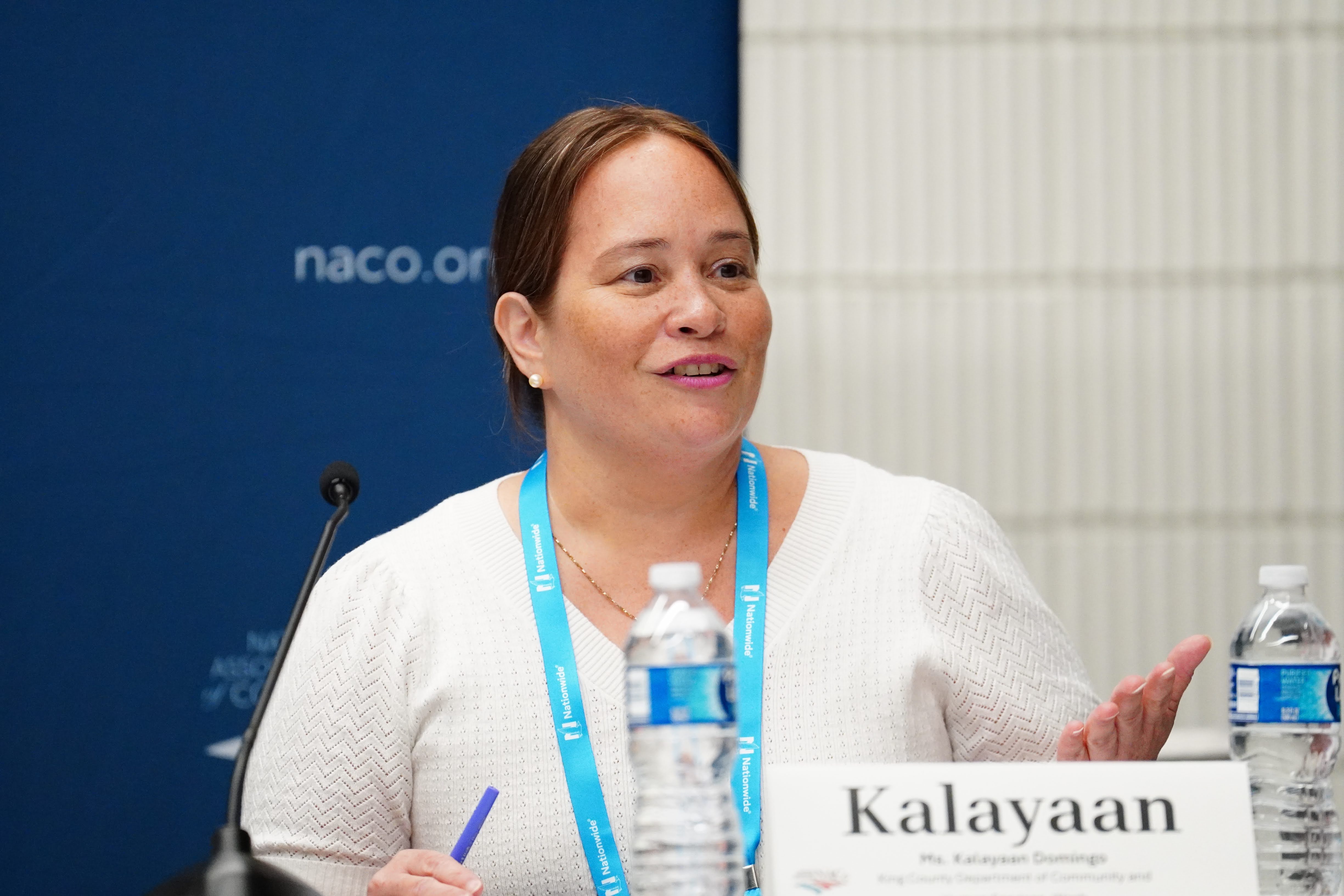
Whatcom County, Washington, is up next. In August, the county finalized its partnership with AidKit to launch the new Whatcom Kids First Child Care Subsidy Program — a $6.1 million investment in childcare, the biggest Whatcom has ever made, expected to help cover childcare costs for at least 1,400 kids in year one. It builds on the state's existing subsidy system and sends money straight to licensed providers to lower family bills. Payments to providers will start in early 2027.
Two counties, two different designs, same real work: building an equitable system that gets the money to people fast, fairly, and as promised, or the policy win doesn't mean much.
Who’s next?
That model is spreading. Here's what’s happening across the country:
- Kalamazoo County, Michigan, voters approved the Yes for Families childcare millage on August 4th, 63% to 37%. The eight-year, 0.5-mill property tax is projected to raise about $6.4 million a year to lower childcare costs for families, fund grants to local providers, and raise pay for childcare workers, 70% of whom currently make less than $15 an hour.
"Child care is not a luxury — it's essential infrastructure for our families, our businesses, and our future," said Jen Weaver Stroven, Yes for Families Campaign Manager. "This measure will give our community the chance to invest in a solution that keeps parents in the workforce, keeps child care providers' doors open, and gives every child in Kalamazoo County a strong start."
Coming this fall:
- In Boulder County, Colorado, the Commissioners approved the Brighter Start Boulder County Initiative for the November 3rd ballot. If passed, this property tax is expected to raise roughly $30 million a year for family subsidies, better pay for teachers, and more infant and toddler childcare slots in a county that’s short thousands of them. Thousands.
- In Marin County, California, the board of supervisors voted 5-0 to put the citizen-led Marin County Child Care Initiative on the November ballot. Organizers project it will generate about $12.5 million a year, which will be kept and invested entirely within Marin County to expand childcare access and improve educator pay.
Three different counties, three different funding mechanisms — but the same underlying bet: voters will fund childcare directly if given the chance.
In these counties and across the country, a variety of childcare initiatives are on the ballot. The reality is, you're not voting for a tax increase; you're voting to decide whether your community should have quality childcare and, consequently, the economic infrastructure that supports every other infrastructure. If you’ve ever told a parent with young children, “let me know how I can help,” parents are showing up to say, “THIS is how you can help!”
What happens after "yes"
Here's the part counties and organizers tend to underestimate when they're deep into an initiative campaign: how do you turn a voter "yes" into a system that actually works for the folks it was meant to serve? Verifying who's eligible, getting money out the door quickly and compliantly, mitigating fraud in a program built on public dollars, and adjusting the design as real usage data comes in? Lots to do!
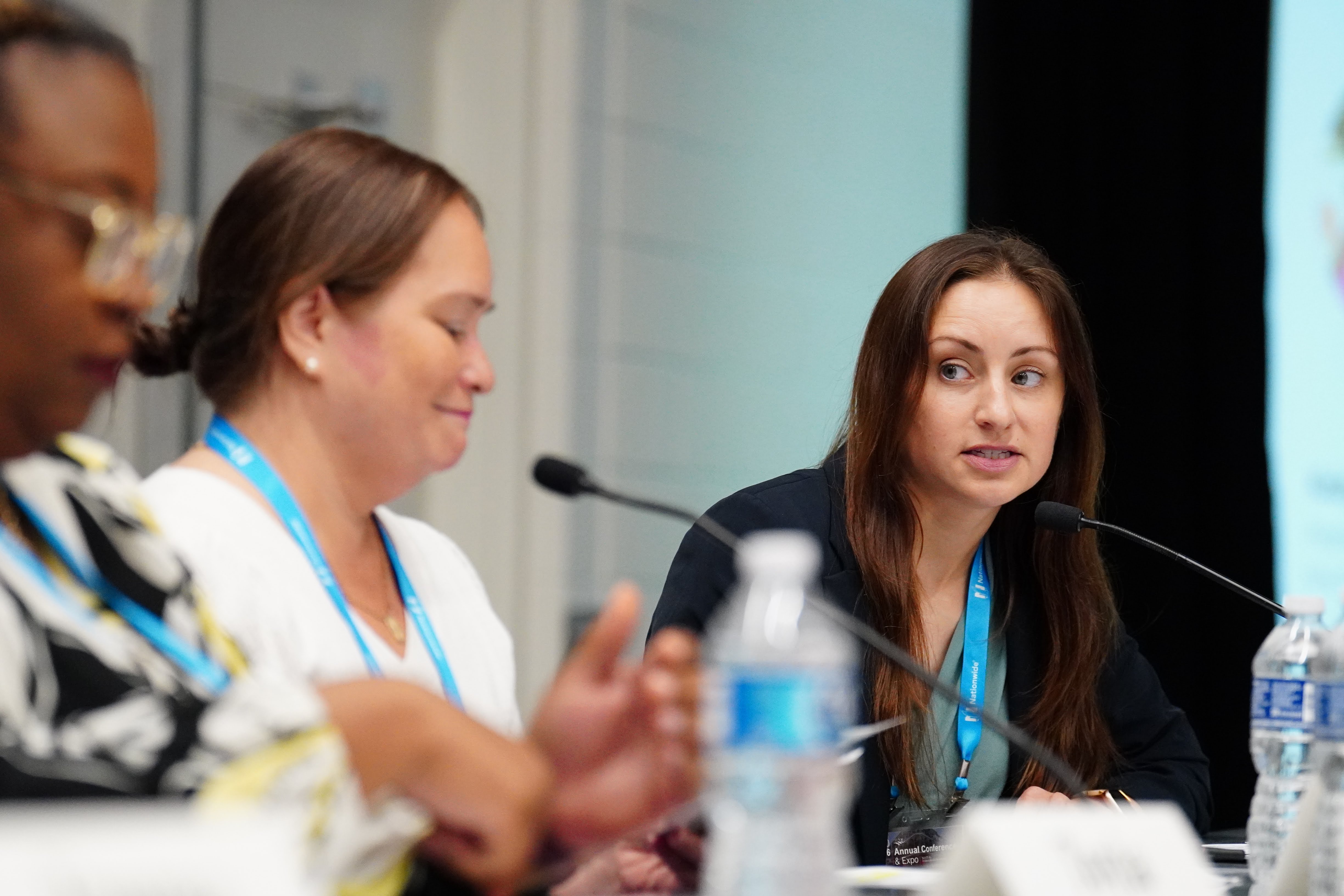
This is the operational gap AidKit lives in, and it's not because we've got some slick piece of software, though we do and are SOC 2 Type II, HIPAA, and WCAG 2.1 AA certified, with NIST 800-53 validation underway. It's because our team has genuinely put in the unglamorous, detail-obsessed work of getting money to real people, on time, with concern for privacy, auditability, and accessibility (100+ languages and inline text readers are just the start). That kind of know-how comes from doing it over and over in the messy real world.
If your county is having this conversation
If your county has a childcare measure heading toward this fall's ballot, or already has funds to disburse, we'd welcome the chance to set you up for success by walking you through best practices, from planning and implementation to the day-to-day operations to come. Visit our contact page or reach out directly to partnerships@aidkit.cloud.




.svg)